
How to choose matchaのコピー ChatGPT 改善版

How to Choose Japanese Matcha
Not sure which matcha to choose? Start with how you want to enjoy it — matcha latte, usucha, daily use, gift, organic matcha, or a first-time trial.
Still not sure? Start here.
For most first-time buyers, the easiest way to choose matcha is not by grade name alone, but by how you plan to drink it.
YAME-MATCHA-SAEMIDORI 100g
Smooth, balanced, low bitterness, and practical for daily matcha lattes.
Shop Saemidori →YAME-MATCHA-KIRARI 100g
Recommended when you want a stronger green color and more expressive latte presence.
Shop Kirari →HOSHI-NO-TSUMUGI 30g
A fresh 30g size from Yame, easy to try before choosing a larger pack.
Shop Hoshi-no-Tsumugi →OGURAYAMA / KIN-NO-UZU
Good options for traditional usucha when you want aroma, umami, and a clean finish.
View usucha matcha →TENNOUZAN / SEIJYU
Premium matcha choices for gifts, special occasions, or refined tasting.
View gift matcha →SUIUN / ASANOKA / OKUMIDORI
Japanese organic matcha options for sipping, daily use, or lattes.
View organic matcha →Choose by How You Drink Matcha
The best matcha depends on your drinking style. A matcha that is perfect for lattes may be different from one chosen for traditional usucha, gifting, or everyday use.
Tip: If you are buying matcha for the first time, choose a smooth, low-bitterness matcha rather than only looking for the word “ceremonial.”
Best Matcha for Lattes
For matcha lattes, the most expensive matcha is not always necessary. Since milk softens bitterness and changes the flavor balance, we recommend choosing matcha with vivid color, smooth body, low bitterness, and good value for regular use.


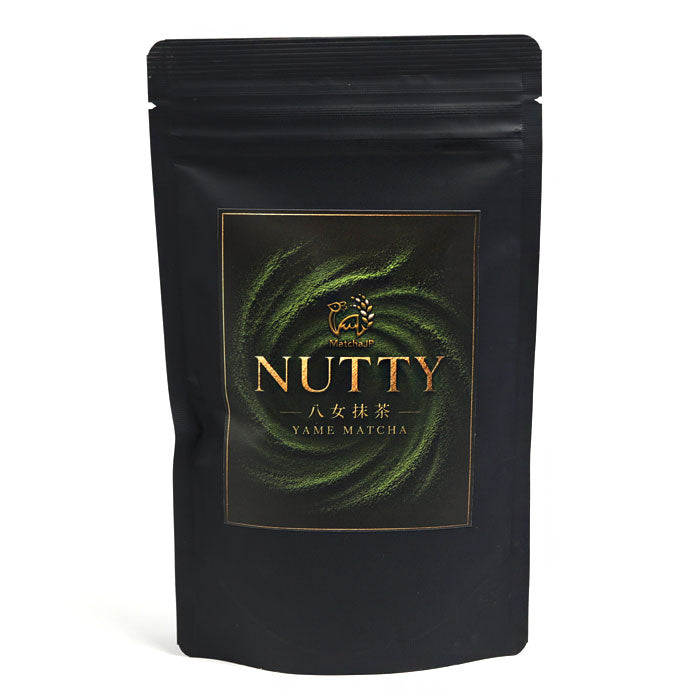


Saemidori vs Kirari: Choose Saemidori if you want smooth, balanced daily lattes. Choose Kirari if you want vivid color, stronger presence, and a more expressive latte.
How to Identify Good Japanese Matcha
There are many types and grades of matcha, ranging from everyday latte use to premium ceremonial quality. As a general rule, higher-quality matcha tends to have better color, aroma, umami, and a smoother finish.

| What to look for | Good-quality matcha | Poor-quality matcha |
|---|---|---|
| Color | Bright, vibrant green | Dull green, reddish, pale, or whitish green |
| Aroma | Fresh, pleasant matcha aroma | Weak aroma or stale, flat smell |
| Umami | Rich and round umami | Little to no umami |
| Bitterness | Low bitterness, smooth finish | Strong bitterness and harsh aftertaste |
Quick guide: If you want a smoother cup, prioritize color, aroma, and low bitterness — not just the word “ceremonial.”
Common Mistakes When Choosing Matcha
Choosing matcha can feel confusing at first. These are the most common mistakes we see from first-time buyers.
Best Matcha for Beginners
If this is your first premium Japanese matcha, choose something smooth, low in bitterness, and easy to prepare. A smaller size is also helpful if you want to compare different flavors.
Best first 30g trial
TSUJIRI HOSHI-NO-TSUMUGISmooth, easy to use, and a practical size for first-time buyers.
Best small trial size
MEIYO ASAHINA-NO-YUKIClean, approachable, and useful for trying Japanese matcha without choosing a large pack.
Best beginner usucha
Yamamasa Koyamaen OGURAYAMA HEKISUIEN KIN-NO-UZUGood choices when you want to drink matcha straight as traditional usucha.
Best beginner latte value
YAME-MATCHA-SAEMIDORI 100gRecommended if you plan to make matcha lattes regularly.
Best Matcha for Daily Use
For everyday matcha, choose a product with good balance, stable availability, and a smooth taste that does not feel too bitter when prepared quickly.
Best daily latte matcha
YAME-MATCHA-SAEMIDORI 100g YAME-MATCHA-KIRARI 100gRecommended when popular brands are sold out or when you want reliable daily matcha for lattes.
Classic daily Uji matcha
Yamamasa Koyamaen MATSUKAZE Yamamasa Koyamaen SAMIDORI Yamamasa Koyamaen YOMO-NO-KAORIPopular Yame matcha
HOSHINOEN YAMENOHANA HOSHINOEN YAMENOTSUYU HOSHINOEN HOSHINOTSUYUPopular but often limited in availability.
Fresh 30g daily option
TSUJIRI HOSHI-NO-TSUMUGIAbout limited brands: Some popular matcha, especially HOSHINOEN, may sell out quickly. If your first choice is unavailable, we recommend checking MatchaJP Selection, TSUJIRI, Koyamaen, HEKISUIEN, MEIYO, or IZUMO alternatives.
Best Matcha for Traditional Usucha
For usucha, choose matcha with refined aroma, rich umami, smooth mouthfeel, and a clean finish. You will notice bitterness more easily when drinking matcha straight, so balance matters.
Classic Uji usucha
Yamamasa Koyamaen OGURAYAMA Yamamasa Koyamaen MATSUKAZE Yamamasa Koyamaen SAMIDORIROKUBEI Uji matcha
MURASAKINOBest Matcha for Gifts & Special Occasions
For gifting or special moments, choose higher-grade matcha with deeper aroma, beautiful color, and a longer, smoother finish.
Premium Uji gift
Yamamasa Koyamaen TENNOUZANExcellent for someone who already enjoys traditional Japanese matcha.
Premium Yame gift
HOSHINOEN SEIJYUA popular premium Yame matcha option, often limited in availability.
Elegant Shizuoka gift
MEIYO NYUFUNE-NO-KAZESpecial Uji matcha
ROKUBEI ICHIGO ICHIEHow to Choose Matcha by Size
Size matters because matcha is sensitive to air, light, heat, and humidity. Choose the size based on how often you drink matcha.
For latte drinkers: 100g is usually the best value. If you drink matcha only occasionally, 30g may be easier to finish fresh.
How to Choose Matcha by Region
Each Japanese tea region has its own character. Region is not the only factor, but it can help you understand the style of matcha.
For Those Looking for Organic Matcha
Looking for organic matcha? We have selected organic Japanese matcha options based on how you enjoy matcha — traditional sipping, daily use, or lattes.
- For traditional sipping: smoother, elegant umami
- For daily use: clean taste and easy preparation
- For lattes: deeper body that stands up to milk
Tools That Make Matcha Easier
Choosing the right matcha is important, but preparation tools also make a big difference. If your matcha tastes clumpy or powdery, a simple tool may improve the result.
Still not sure?
Start with a smooth, low-bitterness matcha for your main use: latte, usucha, or daily drinking. If you make matcha lattes often, MatchaJP Selection 100g options are especially practical.