คอลเลกชัน: Yame Matcha (Fukuoka) – Premium Japanese Ceremonial Matcha | MatchaJP

Shade-grown tea fields in Yame, Fukuoka – the origin of Japan's finest Yame matcha

Yame Matcha – Japan's Premier Shade-Grown Matcha from Fukuoka

Sourced directly from Yame, Fukuoka — renowned for gyokuro-style cultivation, deep umami, and a distinctively nutty, smooth character found nowhere else in Japan.

Shade-grown tea garden, Yame, Fukuoka
OriginYame, Fukuoka, Japan
CultivationGyokuro-style shading
CharacterNutty umami, low bitterness
ShippingDirect from Japan

What makes Yame matcha different?

Stone mill grinding Yame matcha – traditional stone-ground production in Fukuoka

Gyokuro-style shading

Yame is one of Japan's most respected gyokuro-producing regions. The same deep shading technique applied to gyokuro — covering the tea plants for several weeks before harvest — is used for Yame matcha, maximizing L-theanine content and producing the region's signature rich umami and gentle sweetness.

Whisked Yame matcha in a chawan – smooth, vivid green ceremonial matcha from Fukuoka

Nutty umami, vivid color

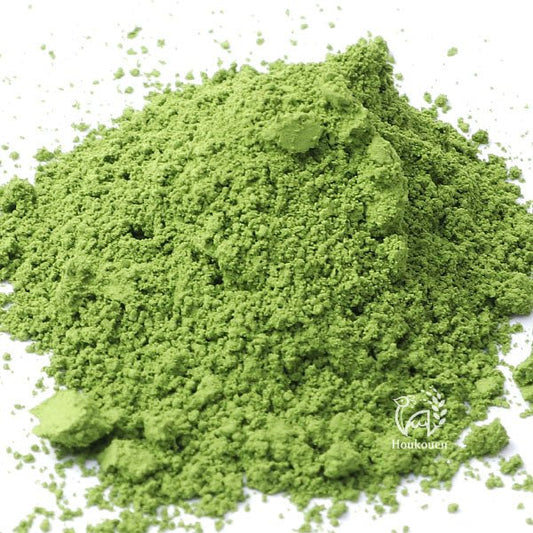
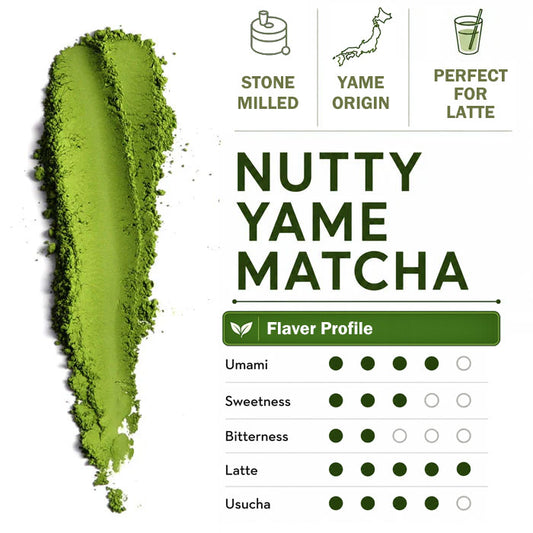
Yame matcha is known for a distinctly nutty, smooth umami — richer and more full-bodied than many other regions. The cup is vivid jade-green with minimal bitterness and a clean, lingering sweetness. A flavor profile that works beautifully both in traditional whisked preparation and milk-based drinks.

Yame matcha vs Uji matcha — what's the difference?

Both are premium Japanese matcha. The difference is in character and style.

Yame, Fukuoka

Yame matcha

Gyokuro-style cultivation produces a distinctly nutty, full-bodied umami with strong sweetness and very low bitterness. Vivid jade-green color. A bold, expressive flavor — particularly popular for matcha lattes, where its character stands out even with milk.

Uji, Kyoto

Uji matcha

Refined, layered umami with elegant aroma and a smooth, clean finish. The benchmark for traditional ceremonial matcha in Japan. More subtle and structured than Yame — prized for its balance and depth in traditional whisked preparation.

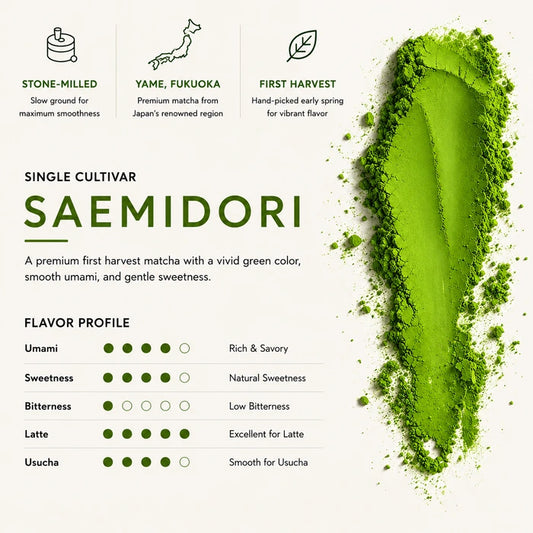
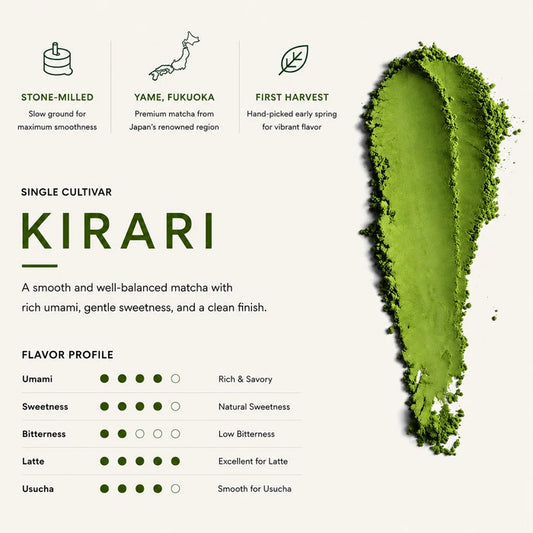
MatchaJP Selection – Kirari vs Saemidori

Both are single-cultivar Yame matcha from the same producer. Kirari is more vivid and expressive; Saemidori is smoother and more balanced.

KIRARI 31 — Vivid & expressive
Bold color · deeper aroma
  • Vivid jade-green color
  • Stronger latte presence
  • More expressive umami
  • Excellent for lattes, sweets, and visual presentation
Explore Kirari 100g →
SAEMIDORI — Smooth & balanced
Daily favourite · low bitterness
  • Very low bitterness
  • Smooth sweetness and umami
  • Excellent for daily lattes
  • Easy first choice for Yame matcha
Explore Saemidori 100g →

Which Yame matcha is right for you?

Choose based on how you use it and what flavor you prefer.

🍵
Traditional usucha (thin tea)
You want to experience the full flavor of Yame matcha in a classic bowl. Hoshi-no-Tsuyu or Yame-no-Hana are excellent ceremonial choices.
Yame-no-Hana →
Matcha lattes & milk drinks
Yame's bold, nutty character holds up beautifully with milk. Saemidori or Kirari from MatchaJP Selection are our top picks for lattes.
Saemidori 100g →
🎨
Vivid color & visual impact
You want the boldest green for lattes, sweets, or presentation. Kirari 31 — bred for exceptional color and expressive umami — is the clear choice.
Kirari 31 100g →
🌱
First time buying Yame matcha
Start with Saemidori — smooth, very low bitterness, and consistently available. The easiest introduction to what makes Yame matcha special.
Saemidori – best first pick →

About Yame Matcha

Region guide

Yame (八女), located in Fukuoka Prefecture in southern Japan, is one of the country's most prestigious tea-producing regions — best known as the home of Japan's finest gyokuro. The same meticulous shading technique that defines Yame gyokuro is applied to Yame matcha: tea plants are covered for several weeks before harvest, blocking sunlight and triggering a surge in L-theanine and chlorophyll. The result is matcha with exceptionally deep umami, vivid green color, and very low bitterness.

What sets Yame matcha apart from other Japanese matcha is its distinctly nutty, full-bodied character. While Uji matcha is prized for refined elegance and layered complexity, Yame matcha is bolder and more expressive — a profile that has made it especially popular internationally, particularly for matcha lattes where its flavor stands out clearly against milk.

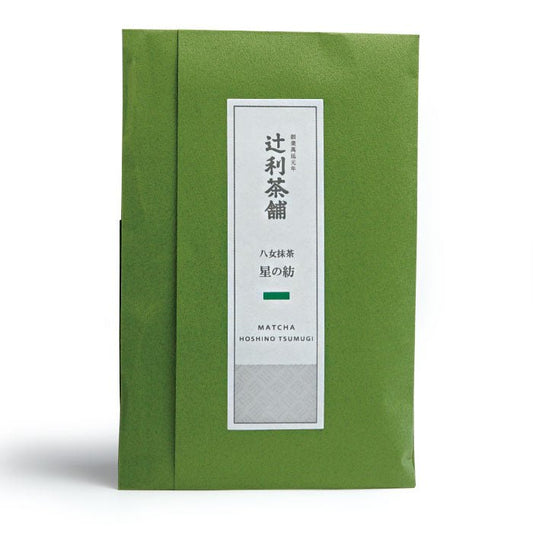
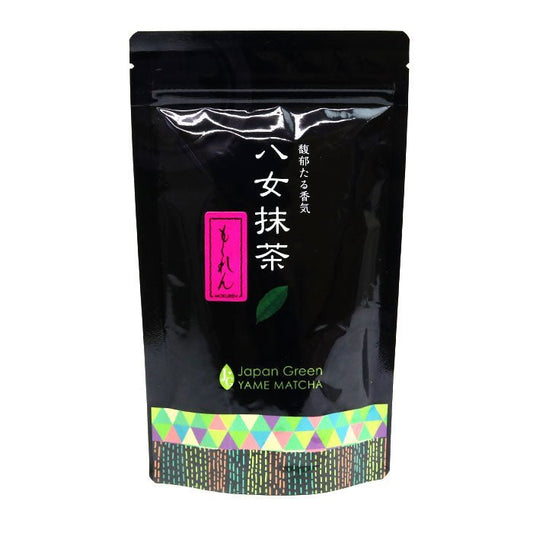
At MatchaJP, all Yame matcha is sourced directly from producers in Yame and Hoshino, Fukuoka, and shipped from Japan. Our range includes Hoshino Seichaen (Hoshinoen) ceremonial grades, TSUJIRI's Yame lineup, and our own MatchaJP Selection single-cultivar matcha — Saemidori and Kirari 31.

Frequently asked questions
What is Yame matcha and why is it special? +
Yame matcha comes from Yame, Fukuoka — one of Japan's most respected tea regions, famous for producing some of the world's finest gyokuro. The same deep shading technique used for gyokuro is applied to Yame matcha, producing exceptionally rich umami, vivid green color, and very low bitterness. Its distinctly nutty, full-bodied character sets it apart from other Japanese matcha regions.
What is the difference between Yame matcha and Uji matcha? +
Uji matcha (from Kyoto) is known for refined, elegant umami with a smooth, layered finish — the traditional benchmark for ceremonial matcha. Yame matcha (from Fukuoka) has a bolder, nuttier character with stronger color and a more expressive flavor. Both are excellent — the choice depends on preference. Yame tends to be especially popular for matcha lattes and milk-based drinks.
What is the difference between Kirari and Saemidori? +
Both are single-cultivar, first-harvest Yame matcha from the same producer. Kirari 31 is a newer cultivar (a cross of Sakimidori and Saemidori) developed for exceptional color, aroma, and expressive umami — vivid, bold, and ideal for lattes and visual presentation. Saemidori is smoother and more balanced, with very low bitterness — a reliable, approachable everyday choice. If you want bold impact, choose Kirari; if you want smooth everyday quality, choose Saemidori.
Is Yame matcha good for matcha lattes? +
Yes — Yame matcha is one of the best choices for matcha lattes. Its bold, nutty umami and vivid color hold up exceptionally well with milk or oat milk, creating a richer, more flavorful drink than many other matcha varieties. Saemidori and Kirari from MatchaJP Selection are both specifically recommended for latte use.
Do you ship Yame matcha worldwide? +
Yes. MatchaJP ships all Yame matcha directly from Japan to over 80 countries, including the United States, Canada, Australia, the UK, and throughout Europe and Southeast Asia.


[ddshop-faq]