
Q and A
Matcha FAQ
Here are answers to common questions about matcha grades, thick tea and thin tea, samples, expiration dates, and proper storage.
Q. What is the difference between thick tea and thin tea?
AnswerThere are two traditional ways to prepare matcha: thick tea and thin tea.
Thin tea, also known as usucha, is the most common way to enjoy matcha. It is prepared with a smaller amount of matcha and whisked to create a light, smooth texture with foam.
Thick tea, also known as koicha, uses about twice as much matcha and is kneaded rather than whisked into foam. Because the flavor becomes very concentrated, thick tea is usually made with high-grade matcha suitable for koicha.
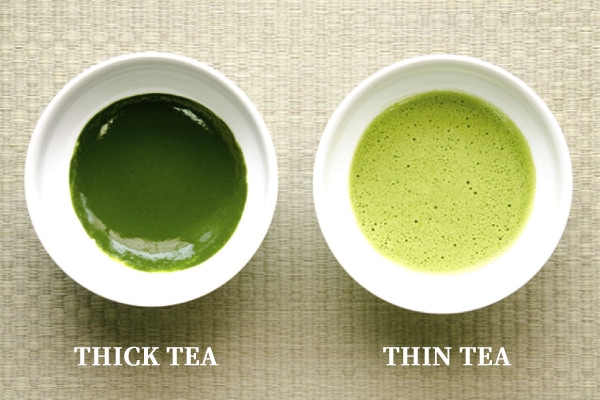
| Thin Tea | Thick Tea | |
|---|---|---|
| Type of matcha | Can be made with many types of matcha | Usually made with high-grade matcha suitable for thick tea |
| How to make | Whisked to create foam | Kneaded slowly with a bamboo whisk |
| Amount used | About 2g of matcha | About 4g of matcha |
Q. What is the difference between “Ceremonial grade” and “Culinary grade”?
AnswerThe main difference is quality and intended use.
Ceremonial grade matcha is made to be enjoyed directly with hot water. Because it is consumed in a simple form, the quality of the tea leaves and the milling process greatly affect the taste, aroma, color, and smoothness.
Culinary grade matcha is generally used for lattes, sweets, baking, and cooking. It is often produced in larger quantities and may have a stronger or slightly more bitter taste compared with ceremonial grade matcha.
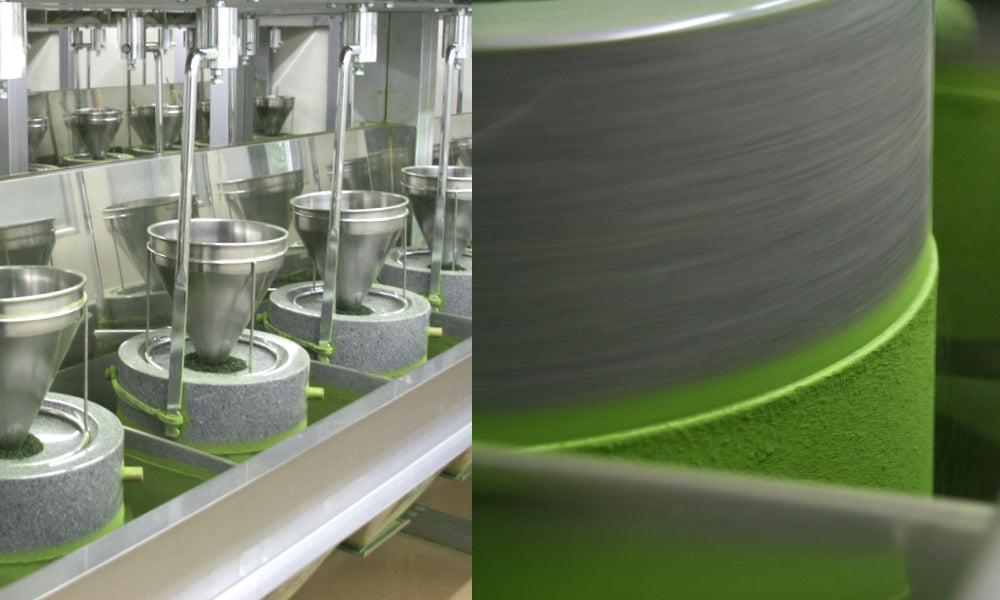
Among our culinary grade matcha, MOKUREN is also made using stone mills.
Q. I want to try the taste. Do you have samples?
AnswerWe are very sorry, but we do not currently offer samples.
If you would like to try a matcha for the first time, we recommend choosing a smaller size, such as a 20g or 30g can.
Q. How long is the expiration date of matcha?
AnswerThe approximate expiration dates are as follows:
| Brand | Approximate expiration date |
|---|---|
| KOYAMAEN | About 8 months |
| HOSHINOEN | About 6 months |
Depending on the timing of your order and the product lot, the expiration date may vary by about one month, even when products are ordered at the same time.
These periods apply to unopened products. Once opened, matcha can easily lose freshness, so please use it as soon as possible.
Q. How should matcha be stored?
AnswerMatcha is sensitive to heat, humidity, light, and odors. Proper storage is important to keep its color, aroma, and flavor fresh.
Unopened matcha
- Store in a cool place away from high temperatures and direct sunlight.
- If stored in the refrigerator, let the package return to room temperature before opening.
- Opening cold matcha immediately may cause condensation and damage the quality.
After opening
- Use as soon as possible after opening.
- Store in an airtight container.
- Refrigerator or freezer storage is recommended for better freshness.


